




DSO Executive and Alignment Advisor
From the chair to the boardroom — one thesis, twenty years of proof.
I help DSO leaders and leadership teams close the eighteen inches between the boardroom and the frontline — the layer where strategy either becomes trusted execution or a directive people quietly resist, and where clinical human capital is won or lost. My latest research, The Untouched Lever, makes the financial case: that gap isn't just a culture problem. It's a measurable EBITDA problem, and closing it is the highest-return lever most DSO leaders haven't pulled yet.
My Story
I started chairside — as a practicing dental hygienist building trust with patients one appointment at a time.
Years later, as CEO of a multi-site DSO, I built what I believed was an airtight growth strategy — and watched pieces of it never get implemented. When I traced why, I found myself back in that same room from my hygienist days. Except this time, I was the executive my younger self had once called out of touch.
That's the eighteen inches. It's the eighteen inches between a boardroom decision and the person actually delivering care — and it's where most strategy quietly dies. Not because people don't care, but because nobody built the trust and translation layer to carry it across.
In between those two moments, I:
Served as National Director of Hygiene, overseeing $140M in revenue across 250+ locations and 1,000+ team members
Founded and sold Enhanced Hygiene, Enhanced Practices, and Dental Group Evolution - a DSO Conference Series
Led Strive Dental Management - a Private Equity-backed DSO through a successful exit as CEO
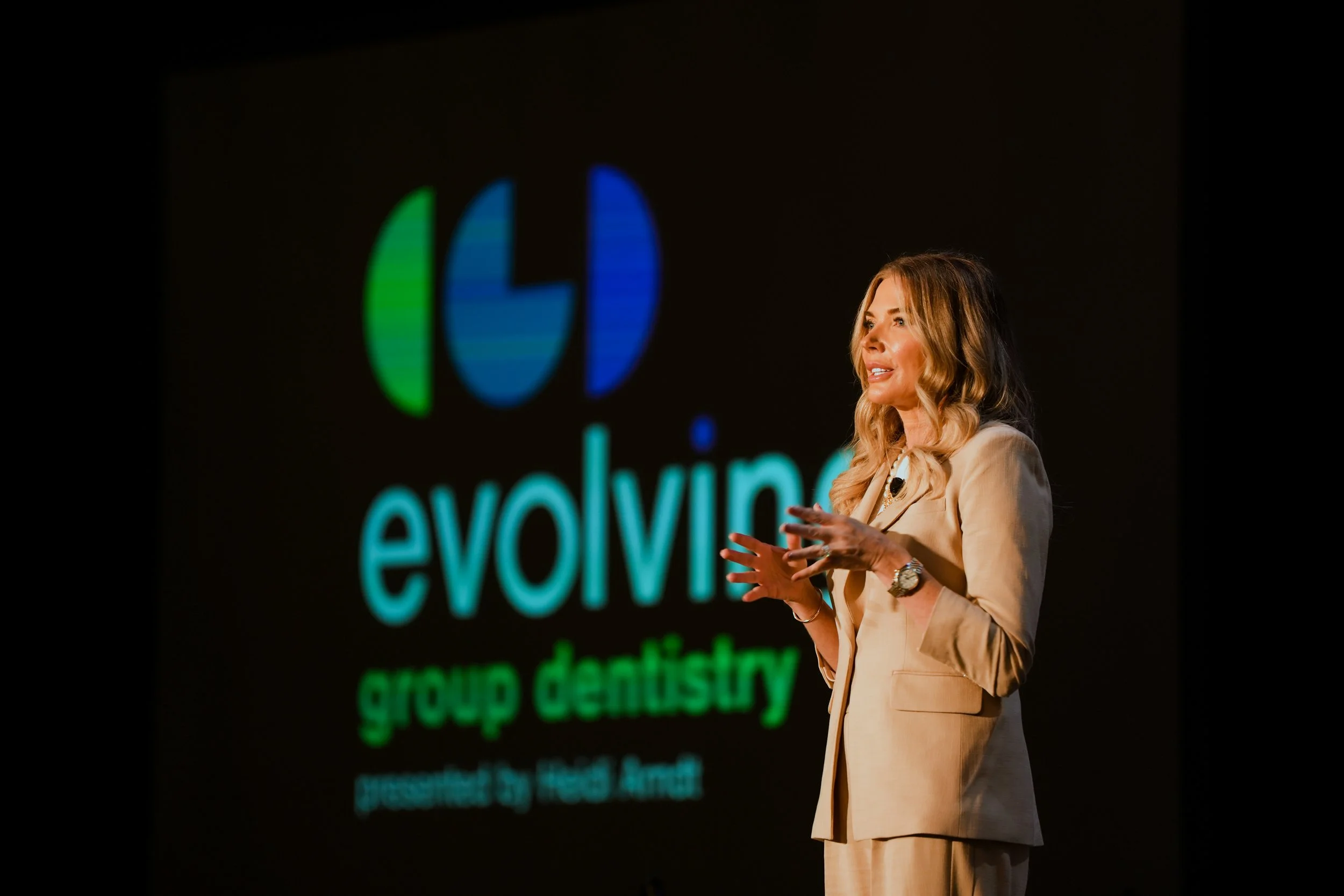
Found Evolving Group Dentistry - a conference focused on the intersection of business and dentistry
Coached Clinical Directors and Chief Dental/Chief Clinical Officers 1:1 for years — the exact seat that sits between boardroom strategy and frontline execution
Fractional Executive for various DSOs ranging in size from 10 locations to 300
That combination — having been the provider, the middle manager, and the CEO accountable for all of it — is why I write and advise on this from the inside, not the outside. My journey has been anything but ordinary. Through every step, I've focused on staying true to my values and making space for thoughtful, lasting work.